

How to make a paint decision with someone who dislikes samples
Give the discussion a boundary instead of turning every wall into an endless color debate.
By SIFTRIX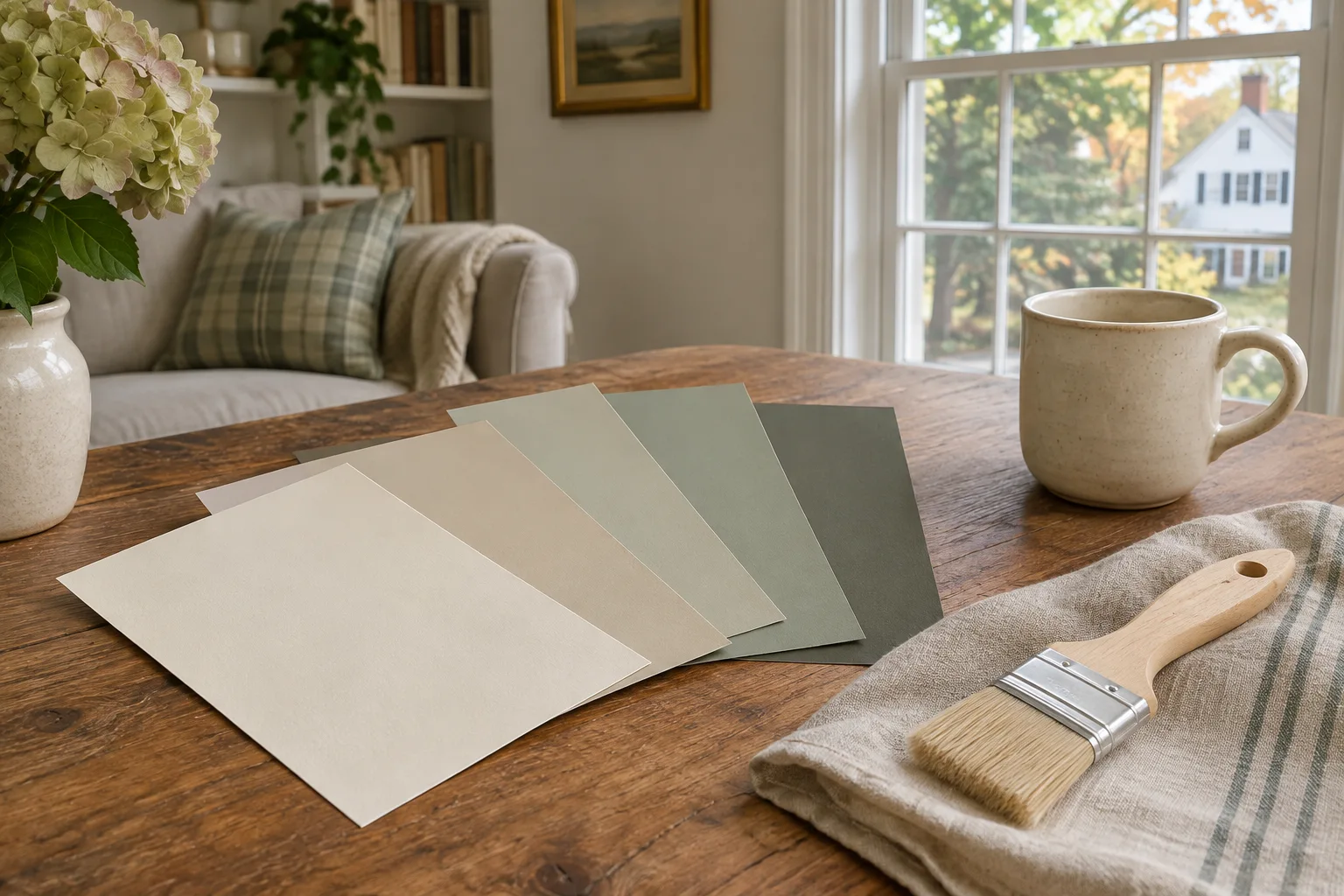
Agree on the effect first
Discuss whether you want the room to feel quieter, brighter-looking, or more connected to existing furniture. Use ordinary language. You don't need matching design vocabulary to agree that a particular reference feels too stark or too busy.
Narrow the comparison
Choose a short set that works with the fixed finishes. Review the same physical samples in the same space rather than separate phone images. Note what each person dislikes and eliminate options together. Keep the selection process separate from last-minute decisions about what surfaces are included.
Record the final answer
Once a choice is approved, write down the exact product, finish, and color. Agree on who communicates it to the painter. If the choice is reopened, discuss any ordering or scheduling consequences before sending a replacement instruction. The useful outcome is one current decision everyone can identify.
Make it useful at home
Agree on a point when the selection will be settled and identify who sends the final instruction. Keep the rejected options out of the current selection record. You can retain inspiration elsewhere, but the provider should not have to work out whether a new sample message replaces an approved product or merely asks a question.
Finish the paint decision
Your entries stay in this page’s memory and are not sent to SIFTRIX. Download a copy before leaving or refreshing. Keep private account, financial, or medical details out.
0 of 5 items checked