

One accent wall will not choose the rest of the room
Use the whole space to judge a strong paint choice, not just the wall in isolation.
By SIFTRIX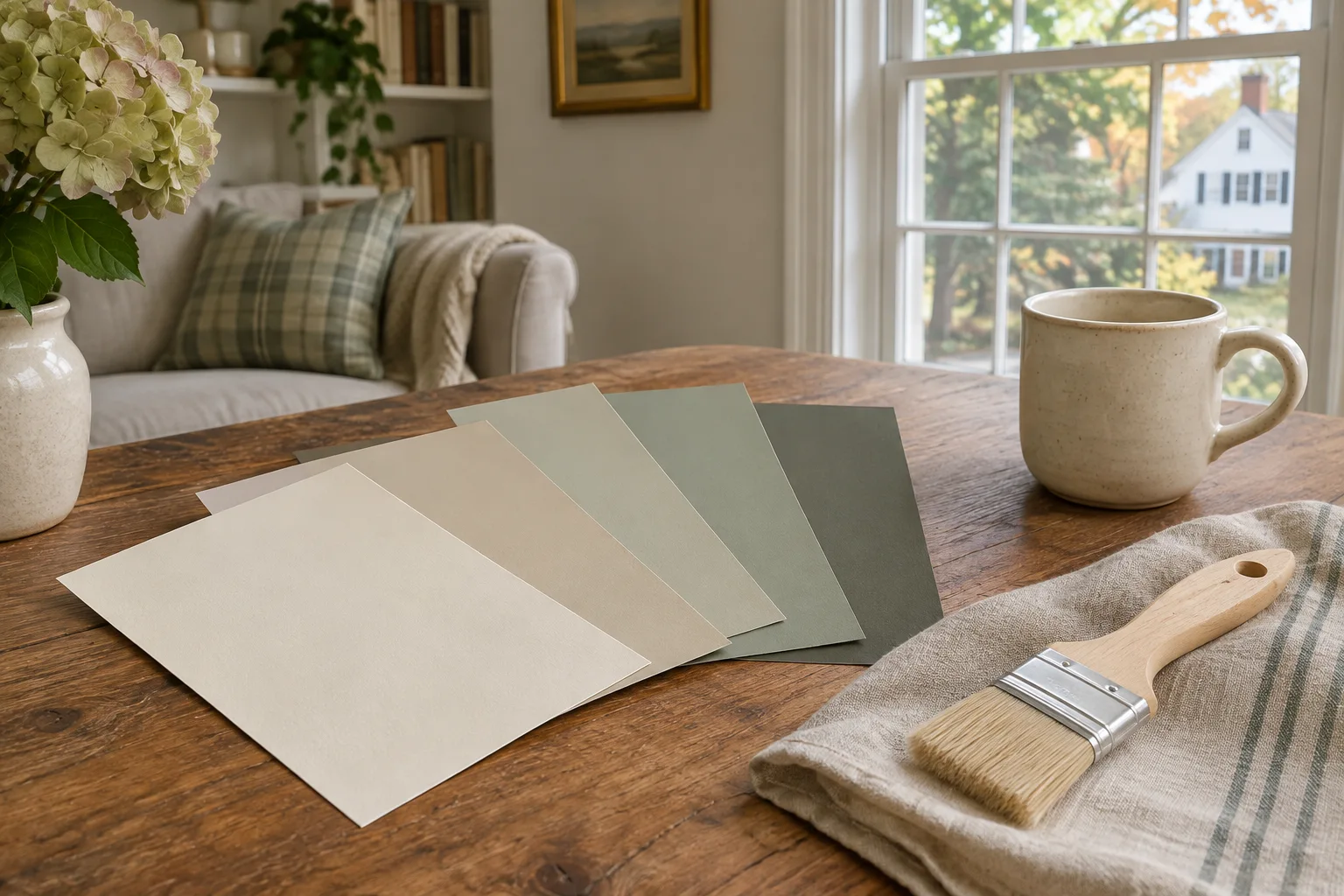
Start with what stays
Look at the furniture, flooring, trim, and adjoining spaces before choosing a bold color. Decide whether the wall should be the main feature or a quieter background. The reference image you like may rely on objects and lighting that are not present in your room.
Review a real sample
Ask about an appropriate sample and look at it where the finish will be used. Keep the product and finish identified. Discuss what preparation the surface needs before approving the job. A digital color on one screen should not become the only record of the selection.
Define the edges
Confirm where the color begins and ends, including corners, openings, and any built-in features. Ask whether trim or repairs are included. Save the approved boundary with the color details so the painter has a clear instruction rather than a general idea of which wall you meant.
Make it useful at home
Put the accent-wall boundary on a room photo and confirm it with the painter. Include the edges around doors or built-ins if they matter. This gives the color choice a precise home in the brief. A strong finish can be approved confidently without leaving the crew to decide where the idea stops.