

Painting a hallway that connects every room
A connecting space needs a plan for doorways, daily traffic, and the finishes you see through it.
By SIFTRIX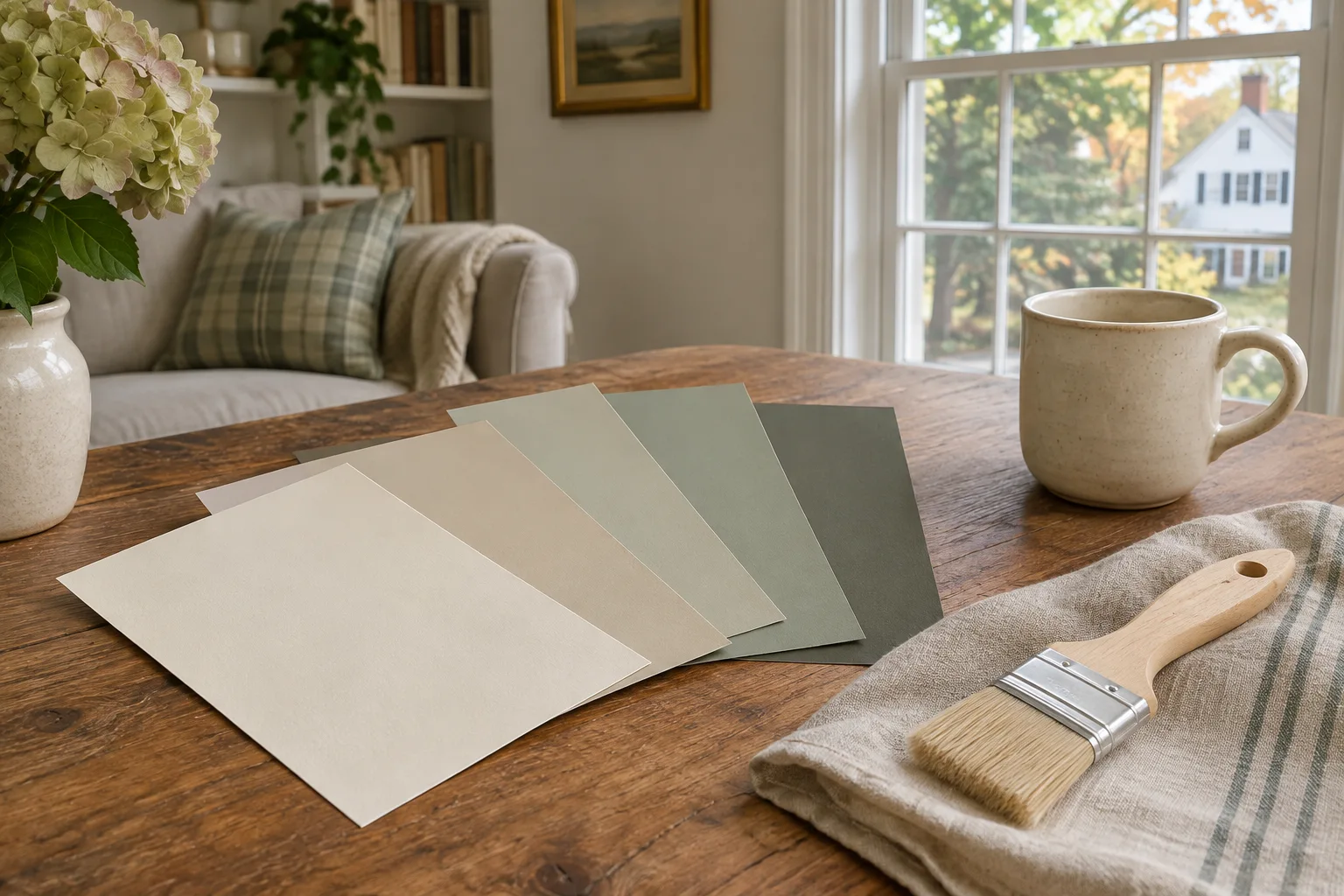
Stand where you normally enter
Look toward the rooms visible from the hallway. Which colors and materials remain? A hallway sample should be considered with those views, especially if you want the transition to feel calm. Don't choose the connecting finish as though it belongs to an isolated room.
Agree on the doorway details
Identify the door faces, frames, trim, and other surfaces included in the work. A hallway can contain many small boundaries. Walk through them with the painter and record decisions so neither side assumes an adjoining room is included.
Plan household access
Explain which doors must remain usable and how people usually move through the house. Ask the painter to describe work-area boundaries and product-specific return-to-use guidance. Keep children, pets, and ordinary traffic outside the agreed area rather than trying to step around active work.
Make it useful at home
Walk the hallway from both ends when looking at samples. Note which adjoining finishes remain visible and what each household member dislikes about the proposed transition. Keep the final decision with the exact surface list. A linking space benefits from a shared decision rather than separate room-by-room messages that never meet.